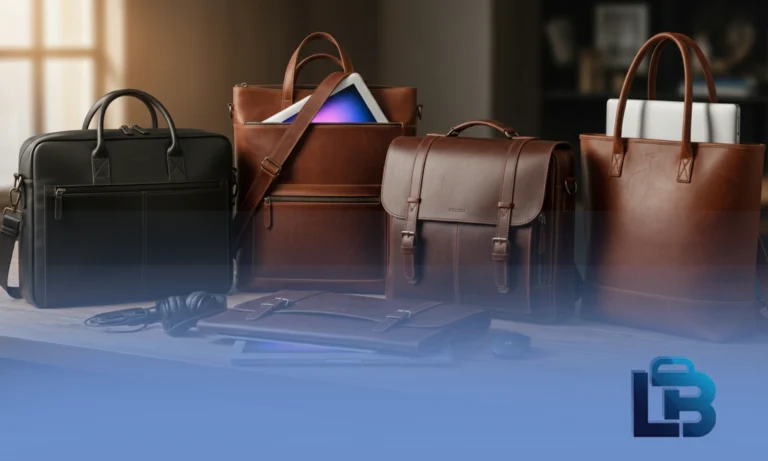
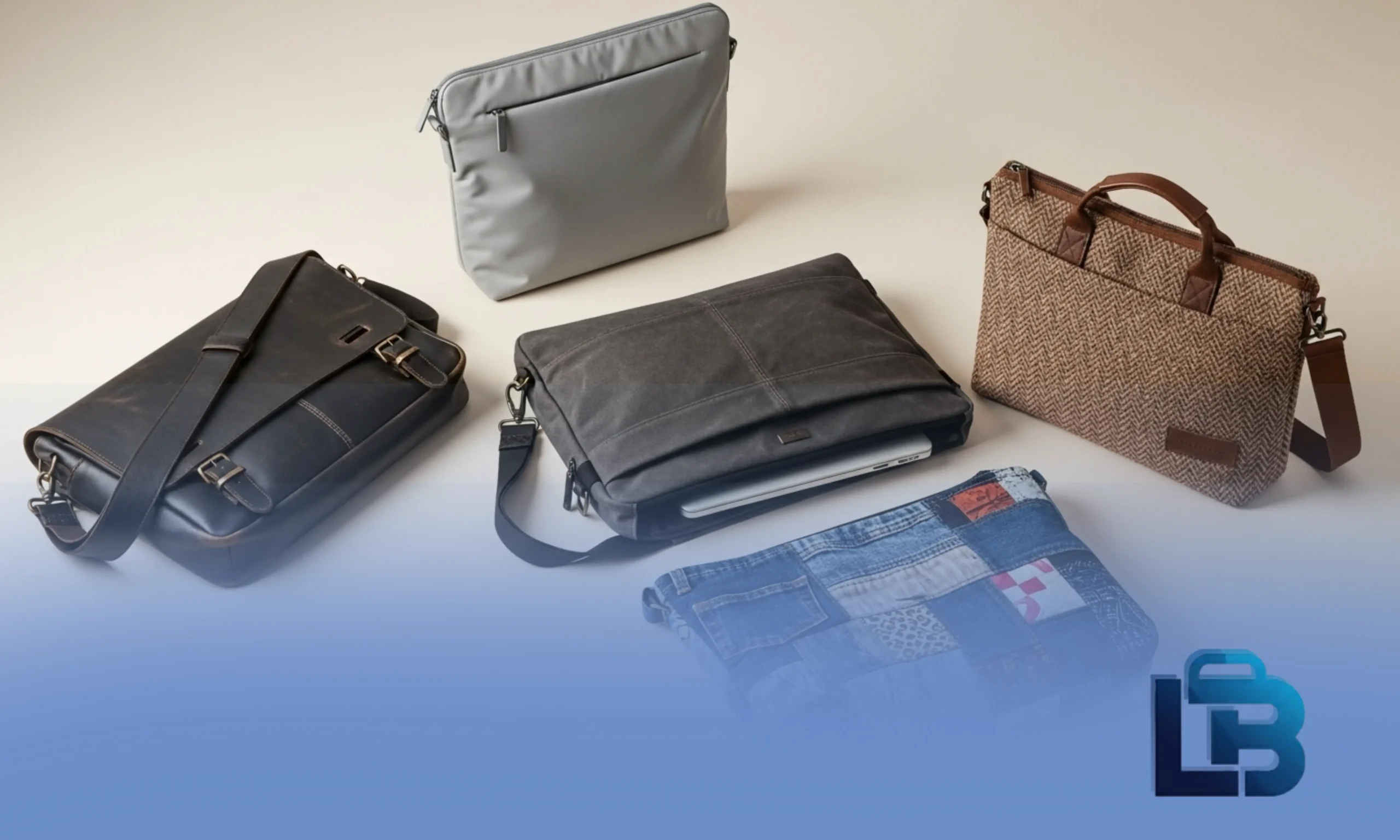
Complete Guide to Laptop Bag Materials
Most people pick a laptop bag based on how it looks. That’s fine — but if you pick the wrong material, even a good-looking bag can wear out in months, let water through, or hurt your shoulders from the extra weight.
The material is what actually decides how long your bag lasts, how safe your laptop stays, and how comfortable you feel carrying it. So let’s break it down in plain English — no jargon, no filler.
Why Material Matters More Than You Think
Think about what your laptop bag goes through every day — tossed on bus seats, dragged through rain, stuffed under office desks, and bumped against walls. The material is the only thing standing between your laptop and all of that.
Here’s what the material decides:
- Durability — how many years the bag actually lasts
- Protection — whether your laptop survives rain, drops, and daily abuse
- Weight — some materials add unnecessary weight to your carry
- Look — formal, casual, or somewhere in between
- Comfort — breathable, flexible materials are easier to carry all day
Get the material wrong and even an expensive bag becomes a problem. Let’s look at each option.
1. Nylon Best All-Rounder
Nylon is the most popular laptop bag material in the world — and for good reason. It’s light, tough, water-resistant, and doesn’t cost a fortune. Most daily-use bags you see are made from some form of nylon.
There are different types of nylon — ballistic nylon is the strongest (used in high-end bags), while ripstop nylon has a grid weave that stops tears from spreading. Both are excellent for laptop bags.
✅ Pros
- Strong and tear-resistant
- Handles light to moderate rain well
- Light to carry all day
- Affordable compared to leather
- Easy to wipe clean
⚠️ Cons
- Looks more casual than leather
- Colour can fade in direct sunlight over years
2. Polyester Budget Pick
Polyester looks a lot like nylon but is generally softer, lighter, and a bit less durable. It’s the material you’ll find in most budget laptop bags. It works fine for light daily use, but don’t expect it to last as long as nylon under heavy conditions.
One good thing about polyester: it dries fast if it gets wet, and it’s available in many colours and styles.
✅ Pros
- Very affordable
- Lightweight and flexible
- Dries quickly
- Available in many designs
⚠️ Cons
- Not as strong as nylon
- Can melt or distort near heat
- Wears out faster with heavy daily use
3. Leather Premium Choice
Leather is the classic professional option. A good leather laptop bag looks sharp in boardrooms, client meetings, and everywhere that first impressions matter. And unlike most materials, genuine leather actually gets better looking as it ages.
There are three main types you’ll come across:
- Genuine leather — real animal hide, very durable, worth the investment if you can afford it
- PU leather (faux leather) — plastic-based, looks similar to real leather, much cheaper, easier to maintain
- Split leather — lower grade of real leather, softer but wears out faster
✅ Pros
- Elegant, professional look
- Genuine leather lasts 10+ years
- Gets better-looking with age
- Suitable for formal settings
⚠️ Cons
- Expensive
- Heavier than nylon or polyester
- Not waterproof — needs care in rain
- Requires conditioning to avoid cracking
Leather bags are not waterproof. During Pakistan’s monsoon season (July–September), keep your leather bag away from heavy rain or use a bag cover. PU leather handles light rain better than genuine leather but still isn’t built for wet conditions.
4. Canvas Casual & Eco-Friendly
Canvas is a woven cotton or linen fabric that gives bags a relaxed, vintage feel. It’s breathable, easy to dye in different colours, and eco-friendly when made from natural cotton. Modern canvas bags are often blended with polyester to make them stronger.
The downside? Canvas picks up dirt easily and isn’t naturally waterproof. You’ll need to apply a waterproof spray if you’re in a rainy area.
✅ Pros
- Casual, stylish look
- Lightweight and breathable
- Affordable
- Eco-friendly option
⚠️ Cons
- Gets dirty quickly
- Not water-resistant without treatment
- Less durable than nylon or leather
5. Neoprene Best for Sleeves
You’ve seen neoprene before — it’s the same material used in wetsuits. It’s stretchy, soft, water-resistant, and excellent at absorbing shocks. This makes it a popular choice for laptop sleeves rather than full bags.
A neoprene sleeve is one of the best ways to add extra protection to your laptop inside any bag. I personally recommend pairing a neoprene sleeve with a regular bag if your bag isn’t fully waterproof.
✅ Pros
- Great shock absorption
- Water-resistant
- Slim and flexible
- Fits snugly around the laptop
⚠️ Cons
- Limited space — mainly for the laptop only
- Can trap heat with extended use
6. TPU & EVA Best for Waterproofing
TPU (Thermoplastic Polyurethane) is a flexible, transparent-ish laminate bonded over fabric. It creates a genuinely waterproof barrier while staying lightweight. High-end waterproof bags almost always use TPU coating or lining. If you commute in heavy rain or travel frequently, this is the material to look for.
EVA (Ethylene-Vinyl Acetate) is the foam-like material used inside bags for cushioning. It’s used in base panels and laptop compartments for shock absorption. You won’t see EVA on the outside of a bag — it works behind the scenes to protect your laptop from drops.
✅ Pros
- Excellent waterproofing (TPU)
- Lightweight despite strong protection
- Abrasion-resistant and flexible
- EVA provides great impact cushioning
⚠️ Cons
- More expensive than polyester or canvas
- Fully TPU bags can feel stiff
7. Oxford Fabric Smart & Affordable
Oxford fabric is a blended synthetic material — similar to polyester but with a slightly shinier, smoother texture. It looks more premium than basic polyester and is a popular choice for mid-range bags that want to look professional without the leather price tag.
It’s water-resistant, easy to clean, and handles everyday wear well. The slight shine gives it a polished appearance that works in both office and casual settings.
✅ Pros
- Smart, professional look
- Affordable
- Scratch-resistant surface
- Easy to maintain
⚠️ Cons
- Not fully waterproof
- Can wrinkle after extended heavy use
8. Cordura Heavy-Duty
Cordura is a high-performance nylon fabric originally made for military and outdoor gear. It’s one of the most abrasion-resistant fabrics available — tested to last significantly longer than regular nylon under the same conditions. If you’re hard on your bags, Cordura is your answer.
It’s water-resistant (not fully waterproof), tough enough for rugged travel, and holds its structure even under heavy loads. The trade-off is that it has a more utilitarian look and costs more than regular nylon.
✅ Pros
- Exceptional durability and abrasion resistance
- Handles heavy daily use with ease
- Water-resistant for light rain
- Lightweight relative to its strength
⚠️ Cons
- More expensive than regular nylon
- Looks rugged/utilitarian — not ideal for formal settings
- Not fully waterproof
9. Ripstop Fabric Light & Tough
Ripstop is a nylon or polyester fabric woven with a distinctive grid pattern. The grid reinforcement stops tears from spreading — so if the fabric gets a small nick, it won’t turn into a large rip. This makes it popular for bags that need to stay intact under rough conditions while staying light.
It’s water-resistant, flexible, and comfortable to carry for long periods. It doesn’t look as premium as leather or Cordura, but it punches above its weight for protection at an affordable price.
✅ Pros
- Tear-resistant grid weave
- Very lightweight
- Water-resistant for light rain
- Great value for everyday use
⚠️ Cons
- Not waterproof
- Can look less formal
- May show wear in very harsh conditions
Full Comparison Table
| Material | Durability | Water Resistance | Look | Price Range | Best For |
|---|---|---|---|---|---|
| Nylon | High | Medium–High | Casual/Professional | Budget–Mid | Daily commuters, travelers |
| Polyester | Medium | Medium | Casual | Budget | Students, budget buyers |
| Leather | Very High | Low–Medium | Premium/Formal | Premium | Office, business use |
| Canvas | Medium | Low | Casual/Vintage | Budget–Mid | College, eco-conscious |
| Neoprene | Medium | High | Minimal | Budget–Mid | Laptop sleeves |
| TPU / EVA | Very High | Very High | Modern | Mid–Premium | Travelers, monsoon use |
| Oxford Fabric | High | Medium | Smart/Casual | Mid | Professionals, students |
| Cordura | Very High | Medium–High | Rugged | Premium | Outdoor, heavy-duty use |
| Ripstop | High | Medium | Casual/Lightweight | Budget–Mid | Students, light travel |
Which Material Is Best for You?
Here’s a simple way to decide based on your situation:
| Your Situation | Best Material | Bag Type |
|---|---|---|
| School or college student | Nylon or Canvas | Backpack |
| Office or corporate professional | Leather or Oxford Fabric | Briefcase or shoulder bag |
| Commuting in monsoon rain (Pakistan) | TPU-coated nylon or Ballistic Nylon | Waterproof backpack |
| Frequent traveler | TPU or Cordura | Travel backpack |
| Minimal carry, just the laptop | Neoprene | Laptop sleeve |
| Outdoor use or adventure travel | Cordura or Ripstop | Rugged backpack |
| Tight budget, basic use | Polyester | Backpack or sleeve |
| Eco-conscious buyer | Canvas | Messenger bag or backpack |
For most people in Pakistan — especially if you commute by bike, rickshaw, or on foot — I’d recommend a ballistic nylon or TPU-coated bag in the Rs. 4,000–8,000 range. Add a neoprene sleeve inside for an extra protection layer. That combination covers you for daily commuting, light travel, and even monsoon rains.
How to Care for Each Material
The right material choice only helps if you take care of it. Here’s what each material needs:
Nylon & Polyester
Wipe down with a damp cloth and mild soap. Let it air dry fully before storing. Avoid heat — don’t put these near radiators or in hot car boots. Re-apply a DWR spray every 12–18 months to restore water resistance.
Leather
Use a dry cloth for everyday dust. Apply leather conditioner every 3–6 months to prevent cracking. Keep away from direct sunlight and heavy rain. If it gets wet, wipe dry gently and let it dry naturally — don’t use a hairdryer.
Canvas
Brush off loose dust regularly. Wash occasionally with gentle detergent — hand wash is safer than machine. Apply a waterproof spray if you’re in a rainy area. Air dry completely before use.
Neoprene & TPU
Wipe with a soft damp cloth. Avoid harsh chemicals — they degrade the material. Keep away from sharp objects that could pierce or scratch. For TPU, check seams periodically and apply seam sealer if peeling is noticed.
Oxford Fabric & Ripstop
Wipe clean with a damp cloth. Let air dry away from direct sunlight. Apply a fabric protector spray for added water resistance once every year.
Cordura
Wipe with a damp cloth after use. Use a fabric protector spray for added weather resistance. Store in a cool, dry place. Cordura is low-maintenance — it’s designed to handle rough conditions without much fuss.
Don’t Forget the Inner Padding
The outside material protects against water and tears. The inside padding protects against drops and shocks. Both matter.
When you buy a bag, open it and check the laptop compartment. Here’s what to look for:
- Foam or EVA padding — at least 15mm thick in the laptop section
- Soft microfiber lining — prevents scratches on the laptop surface
- Suspended or floating design — the laptop sits slightly above the base so it doesn’t absorb ground impact directly
- Velcro or strap closure — keeps the laptop from sliding around inside
A bag with great outer material but poor padding is only doing half the job. Both layers need to work together. For a full breakdown of different bag types and their padding standards, check our types guide.
Frequently Asked Questions
Which laptop bag material lasts the longest?
Genuine leather and Cordura nylon last the longest. A well-maintained leather bag can last 10 years or more. Ballistic nylon and Cordura are close behind and handle rough daily use better than leather in wet conditions.
What is the best material for a laptop bag in Pakistan’s monsoon weather?
TPU-coated nylon or ballistic nylon with sealed seams. These genuinely block water during monsoon rains. A neoprene sleeve inside adds a second layer of protection. Avoid untreated canvas, regular polyester, and leather in heavy rain.
Is nylon or polyester better for a laptop bag?
Nylon is better overall — it’s stronger, more abrasion-resistant, and outlasts polyester in daily use. Polyester is lighter and cheaper but wears out faster. If budget allows, always choose nylon over polyester.
Is leather a good material for a laptop bag in Pakistan?
Leather is excellent for office and formal use. It looks professional and lasts a long time with proper care. Just keep it away from monsoon rains — it’s not waterproof. PU leather is a more affordable and easier-to-maintain alternative.
What does TPU mean on a laptop bag?
TPU stands for Thermoplastic Polyurethane — a flexible, waterproof laminate bonded over fabric. When a bag says “TPU-coated,” it means the outer fabric has a waterproof layer that blocks water from soaking through. It’s one of the best materials for waterproof laptop bags.
Can I make my canvas bag waterproof?
Yes — apply a DWR waterproof spray (available at most outdoor or sports stores in Pakistan) to a clean, dry canvas bag. Let it dry completely before use. This gives you a few months of water resistance, but you’ll need to reapply periodically.
Where can I find good laptop bags by material in Pakistan?
LB Bags (LaptopBag.pk) has a well-curated range across all materials and price points. For branded options, Dell and HP also offer quality bags with clear material specs. Compare prices here before deciding.
Final Thoughts
Choosing a laptop bag material doesn’t need to be complicated. Start with your main concern — protection, style, weight, or price — and the right material becomes obvious.
If you’re in Pakistan and commute daily, nylon or TPU-coated bags are your most reliable option across all seasons. If you’re in a formal office environment, leather or Oxford fabric will serve you better. And if you just need slim protection inside another bag, a neoprene sleeve is cheap and effective.
Whatever you choose, also check the right size for your laptop before buying — even the best material won’t help if the bag doesn’t fit properly.
🤔 Which Material is Actually Right for Your Use?
600D or 900D polyester. Affordable, light, and handles daily student use well for 1–2 years. Anything below 600D will thin and tear at the seams within months.
Oxford nylon. Stronger than polyester, holds the DWR water-repellent coating longer, and dries faster when wet. PKR 4,000–8,000 and it pays back in lifespan.
TPU-laminated fabric. It is the only material that creates a true waterproof barrier. DWR-coated polyester or nylon slows water — TPU stops it entirely.
Genuine leather. Full-grain leather develops a patina — it literally looks better after years of use. With proper conditioning every few months, it outlasts every fabric option. PKR 10,000+.
PU (faux) leather. Looks very similar, costs 60–70% less, and handles casual office use well. Just know it cracks after 3–4 years and cannot be reconditioned.
rPET fabric — made from recycled plastic bottles — is the most accessible eco-friendly option available. Quality has improved significantly and it performs similarly to standard polyester but with a much lower environmental footprint.